Fascial Stretch Therapy in Kenya: The Complete Guide to Pain-Free, Freer Movement
Fascial Stretch Therapy in Kenya | FST in Nairobi — Trigger Point Fascia Wellness Discover Fascial Stretch Therapy (FST) in Nairobi, Kenya. Improve mobility, relieve stiffness, decompress joints, and move pain-free. Book at Trigger Point Fascia Wellness — Parklands, Nairobi.
If your stretching routine never seems to make a difference, if your joints feel permanently tight no matter how much you foam-roll, or if old injuries keep flaring up, the problem may not be your muscles at all. It may be your fascia — the connective tissue web that wraps and links every muscle, joint, tendon, and nerve in your body.
Fascial Stretch Therapy (FST) is one of the most effective and most underused tools for releasing that tissue, and it’s available right here in Nairobi at Trigger Point Fascia Wellness. As one of the leading fascial stretch therapy and assisted stretching clinics in Kenya, we help runners, gym-goers, desk workers, and people living with chronic pain move freely again.
This complete guide explains what Fascial Stretch Therapy is, how it works, who benefits from it, the science behind your fascia, and exactly what to expect from a session in Nairobi — so you can decide whether FST is the missing piece in your recovery, mobility, or pain-relief routine.
Quick Summary
- What it is: A table-based, therapist-assisted stretching technique that targets the fascia and joint capsule, not just muscle.
- What it does: Improves flexibility, decompresses joints, reduces chronic stiffness, lowers injury risk, and restores natural movement.
- Who it’s for: Athletes, gym-goers, weekend warriors, desk workers, injury recovery, and anyone with tight muscles or stiff joints.
- Where: Trigger Point Fascia Wellness — Doctors Park, 5th Floor, 3rd Avenue, Parklands, Nairobi, Kenya.
- Cost: Sessions from KES 6,000.
What Is Fascial Stretch Therapy?
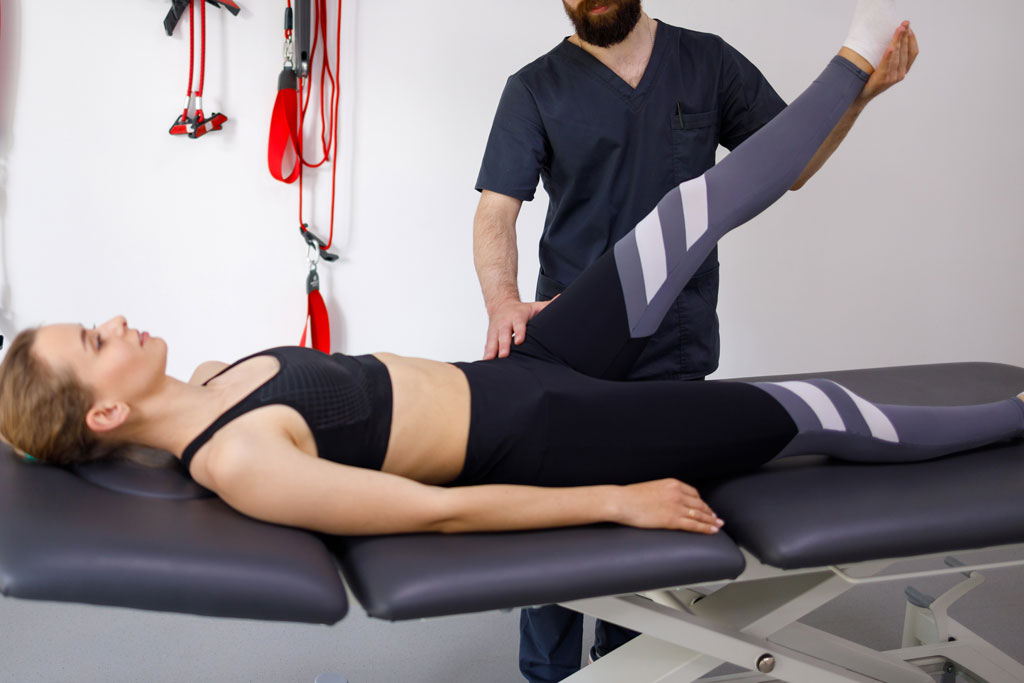
Fascial Stretch Therapy is a table-based, practitioner-assisted stretching technique that targets the fascia — the continuous network of connective tissue surrounding your muscles, joints, tendons, and nerves. Rather than stretching one muscle in isolation, FST works with the body’s interconnected tissue system, gently lengthening and decompressing it to restore natural, efficient movement.
The key word is assisted. You lie comfortably on a treatment table while a trained fascial stretch therapist moves your limbs and joints through carefully controlled ranges of motion. Because you stay relaxed and the therapist controls the movement, the stretch reaches connective tissue that you simply can’t access on your own — and does it safely, without the strain or guesswork of self-stretching.
This is what makes assisted stretching and FST fundamentally different from the stretching most people already do at home or in the gym.
Understanding Your Fascia: The Science in Simple Terms
Fascia is a thin, tough, flexible sheet of connective tissue that surrounds and connects every structure in your body. Think of it as a continuous, three-dimensional web — when one area becomes tight, restricted, or scarred, the tension can pull on areas far away from the original problem.
Several things cause fascia to become stiff and “stuck”:
- Repetitive movement from training or sport
- Long hours of sitting at a desk or in a car
- Past injuries and scar tissue that never fully released
- Dehydration and inactivity, which make fascia less pliable
- Chronic stress, which keeps tissue in a guarded, tightened state
When fascia loses its glide and elasticity, you feel it as stubborn stiffness, reduced range of motion, recurring soreness, and a sense that you “can’t quite loosen up.” Fascial Stretch Therapy targets this tissue directly — which is why it often succeeds where conventional stretching and foam rolling fall short.
How FST Differs From Ordinary Stretching
Static stretching — holding a hamstring stretch on the floor, for example — pulls on a single muscle and often triggers a protective tightening response. It can help, but its effects are limited and short-lived.
Fascial Stretch Therapy takes a wider, smarter approach:
- It targets connective tissue, not just muscle. Tightness frequently lives in the fascia and around the joint capsule, not only in the muscle belly. FST addresses the whole system.
- It decompresses joints. Gentle traction creates space within tight, compressed joints, reducing stiffness and improving range of motion.
- It works with your nervous system. Because you stay relaxed and the therapist controls the pace, your body releases tension rather than guarding against it.
- It restores movement patterns. Training, injury, and long hours at a desk distort how you move. FST helps re-establish the natural patterns your body has lost.
The result is mobility that feels effortless rather than forced.
FST vs. Static Stretching vs. Foam Rolling
| Feature | Fascial Stretch Therapy | Static Stretching | Foam Rolling |
|---|---|---|---|
| Targets fascia & joint capsule | Yes | Limited | Partially |
| Decompresses joints | Yes | No | No |
| Practitioner-assisted | Yes | No | No |
| Tailored to your body | Yes | No | No |
| Restores movement patterns | Yes | Minimal | Minimal |
| Relaxing & low-strain | Yes | Variable | Often uncomfortable |
The Benefits of Fascial Stretch Therapy
Regular FST sessions can deliver a range of measurable improvements for both athletes and non-athletes in Nairobi:
- Dramatically improved joint mobility and flexibility — move through fuller, freer ranges of motion
- Reduced chronic stiffness — release the tightness that foam rolling and static stretching never quite reach
- Joint decompression — relieve compressed, achy joints and the discomfort that comes with them
- Lower injury risk — more elastic, resilient tissue is less prone to strains and tears
- Better athletic performance — efficient movement means more power with less wasted effort
- Faster recovery — looser, well-circulated tissue bounces back quicker after hard training
- Relief from posture-related tension — counteract the effects of desk work and repetitive training
- Improved circulation — better blood flow supports tissue health and recovery
- Stress relief and relaxation — the calming, controlled pace helps down-regulate a tense nervous system
Whether you’re chasing a personal best or simply want to move through your day without nagging tightness, FST meets you where you are.
Who Is Fascial Stretch Therapy For?
One of the biggest misconceptions about FST is that it’s only for elite athletes. In reality, fascial stretch therapy in Kenya is for anyone who wants to move and feel better. You’ll benefit if you are:
- A runner, cyclist, swimmer, or endurance athlete looking to recover faster and move more efficiently
- A footballer, rugby, basketball, or tennis player wanting to protect your joints and stay in the game
- A gym-goer, CrossFit athlete, or weightlifter struggling with restricted mobility
- Recovering from a sports injury or muscle strain and trying to restore lost range of motion
- Living with chronic back, neck, hip, or shoulder tightness
- Experiencing joint stiffness, recurring soreness, or limited flexibility
- Dealing with posture-related tension from long desk hours and screen time
- An older adult who wants to stay mobile, balanced, and independent
- Someone who simply feels stiff, restricted, or “tight all over” and wants relief
If you move your body — or wish you could move it more freely — FST is for you.
Common Problems Fascial Stretch Therapy Helps With
People across Nairobi come to us for FST to address issues such as:
- Tight, restricted hamstrings, hips, and lower back
- Forward head posture, rounded shoulders, and “tech neck” from desk work
- Stiff shoulders and limited overhead reach
- Recurring tightness that returns no matter how much you stretch
- Reduced range of motion after an old injury
- Joint stiffness that interferes with squatting, running, or lifting
- General loss of flexibility with age or inactivity
Because fascia is interconnected, releasing one restricted area often brings relief to others — which is why many clients notice improvements beyond the spot they came in for.
What to Expect in a Session
At Trigger Point Fascia Wellness, Fascial Stretch Therapy isn’t a one-size-fits-all routine. Here’s how a typical session in our Parklands clinic unfolds:
- Assessment. Every session begins with a brief physical assessment of your movement patterns, tension areas, pain points, and training load.
- Tailored stretching. Based on that assessment, your therapist tailors the stretching to what your body actually needs that day — never a generic template.
- Gentle, assisted movement. You lie on a padded table while the therapist uses gentle traction and controlled movement to ease your joints and tissue through their ranges. There’s no aggressive pulling and no pain.
- Aftercare guidance. Your therapist may recommend simple self-care, mobility drills, or a follow-up rhythm to maintain your results.
You stay fully clothed in comfortable, flexible clothing throughout. Most people describe the experience as deeply relaxing, finishing the session feeling looser, taller, and noticeably more mobile.
FST is often combined with sports and medical massage and postural alignment for a complete soft-tissue treatment, but it can also stand on its own as a focused mobility and recovery therapy.
How Often Should You Book?
The ideal frequency depends on your goals:
- For maintenance during active training: every 2–4 weeks keeps your tissue supple and your movement efficient.
- For chronic stiffness or heavy training blocks: weekly sessions deliver the fastest, most lasting results.
- For injury recovery: your therapist will recommend a tailored schedule based on your stage of healing.
Your therapist will recommend a rhythm based on your body, your activity level, and how you respond to the work.
How to Prepare for Your FST Session
A few simple steps help you get the most from your appointment:
- Hydrate well before and after — well-hydrated fascia is more pliable.
- Wear comfortable, flexible clothing you can move freely in, similar to gym wear.
- Avoid a heavy meal right before your session.
- Arrive a few minutes early so you can settle in and complete your assessment unhurried.
- Share your goals and history — tell your therapist about any injuries, pain, or specific stiffness so the session can be tailored to you.
Why Choose Trigger Point Fascia Wellness?
We are Nairobi’s specialist fascial and soft tissue therapy clinic. That focus matters: Fascial Stretch Therapy isn’t a side service tacked onto a spa menu here — it’s our core expertise.
Our therapists are trained in advanced fascial anatomy, chronic pain management, and sports rehabilitation, giving you a clinical depth you won’t find at a standard wellness spa or gym massage service. Combined with our assessment-based, tailored approach, that means every stretch you receive is purposeful and calibrated to your body — never a generic template.
What sets us apart:
- Specialist focus on fascia and soft-tissue therapy
- Assessment-based, individualised treatment every visit
- Clinically trained therapists in fascial anatomy and rehabilitation
- A complete system that can combine FST with sports massage and postural alignment
- Central Nairobi location in Parklands, easily accessible across the city
In short: this is clinical bodywork designed to make you better, not just to make you feel good for an hour.
Frequently Asked Questions
Is Fascial Stretch Therapy painful? No. FST is gentle and relaxing. The therapist works within your comfortable range and uses traction rather than force, so most people find it soothing rather than uncomfortable.
Do I need to be flexible to start? Not at all. FST is especially valuable for people who feel stiff and restricted. Improving that flexibility is exactly what it’s designed to do.
How is FST different from a sports massage? Sports massage uses pressure to work directly into muscles and soft tissue, while FST uses assisted movement and traction to lengthen fascia and decompress joints. They complement each other beautifully, which is why we often combine them.
What should I wear? Comfortable, flexible clothing you can move in — similar to what you’d wear to the gym. You stay clothed throughout the session.
How long is a session? Sessions are structured around a focused treatment window, beginning with assessment and moving into tailored stretching. Your therapist will confirm timing when you book.
Is it only for athletes? No. While athletes love FST, it benefits anyone with stiffness, posture-related tension, recovering injuries, or limited mobility — regardless of fitness level.
Should I do FST before or after training? Both work. Before training, it primes your joints and tissue for movement; after training, it helps you recover and release built-up tension. Your therapist will advise based on your goals.
How much does Fascial Stretch Therapy cost in Nairobi? Sessions at Trigger Point Fascia Wellness start from KES 6,000.
How soon will I notice results? Many people feel looser and more mobile immediately after their first session. Lasting change in chronic stiffness usually builds over a series of sessions.
Book Your Fascial Stretch Therapy Session in Nairobi
Ready to experience freer, pain-free movement? Visit Kenya’s specialist fascial therapy clinic and discover what your body feels like when your tissue moves the way it’s meant to.
📍 Location Doctors Park, 5th Floor, 3rd Avenue, Parklands, Nairobi, Kenya
📞 Phone / WhatsApp +254 726 414 516
✉️ Email info@triggerpointfascia.com
🕒 Business Hours Monday–Friday: 8:00 AM – 7:00 PM Saturday: 9:00 AM – 5:00 PM Sunday: Closed
💰 Sessions from KES 6,000
Trigger Point Fascia Wellness — Nairobi’s specialist clinic for fascial stretch therapy, assisted stretching, sports therapy, and medical massage in Kenya.